
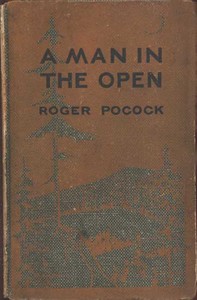
A Man in the Open by Roger Pocock
Talking about A Man in the Open by Roger Pocock feels like digging up a hidden gem from an old dusty shelf. And honestly? It’s the kind of book that makes you want to smell campfire smoke and hear coyotes yip in the distance. Let me break it down my way.
The Story
The book follows a narrator who’s pretty tired of civilization’s rules. So he heads into the big empty—those wide-open spaces of North America where people are scarce but white silence and mountains own everything. Along the way, he bumps into strange characters: cowboys, drifters, natives, even a woman trying to navigate this tough landscape on her own terms. But here’s the thing—he’s also wrestling with his backstory, something dark and unresolved. The thrust isn't action-packed showdowns; it’s more about the push and pull between wanting to disappear and trying to find yourself.
Why You Should Read It
You should pick this up if you're sick of stories where the hero solves everything with a gunfight or a passionate speech. This hero fumbles, doubts, gets scared almost as often as he measures distance by dried-out miles in the saddle. But isn’t that more real? The writing makes you feel the cold mornings on your skin, see starlight on a blanket of snow. Themes hit hard: loneliness feels like a character. Plus, hunting and survival take center stage—for readers keen on skill with their setting, this is pure meat and potatoes. I got attached to that endless landscape, like another word in the text.
Final Verdict
The book flows in a slow, sometimes loose way — modern readers used to fireworks might feel antsy, but if you want truth instead of thrills, hop in. I’d drop this into the hands of armchair wanderers, history nerds prying at authentic frontier life (Note: this author lived it, man), and anyone aching to fight confusion about where they belong. People with the trail dust will nod reading this.
Bottom line: Think Jack London if he wandered a bit more sad and scraped less dramatic. Get sweaty sand between your teeth here.
You are viewing a work that belongs to the global public domain. Feel free to use it for personal or commercial purposes.


Jennifer Thompson
11 months agoI appreciate how this edition approaches the core problem, the way the author breaks down the core concepts is remarkably clear. I appreciate the effort that went into this curation.